


2006
Johnson published his autobiography, Barefoot Soldier.
Who is
The story of our founder, the boy from Grenada whose story became British history.
Johnson's story shows the power of intervention.

27 July 1979
Johnson Gideon Beharry was born into poverty on 27 July 1979 in Grenada, in the eastern Caribbean.
“Grenada is a huge part of my life.”
“We used to have to wait for £20 from our brother in England to buy chicken.”
Years later he called his autobiography Barefoot Soldier.
Grenada to London
0 km
As a teenager, Johnson travelled to London looking for a better life.
1999
His vulnerability would lead him to homelessness and crime.
“You take one risk, and then a bigger risk, and then a bigger risk.”
It is the same vulnerability that criminals look for in children today.
The call
“One day I was speaking to my mum on the phone, and she said to me, your grandmother just walked past.”
“She came on the phone, and the first thing she said to me: when are you going to come and see me before I die?”
“And then she said to me, she hasn't had a proper meal for months.”
“If I had sent her money and she knew where it came from, she'd prefer to stay hungry.”
A call from his grandmother would be his intervention.
“So I went back to my friends, and I said, guys, I'm out. I'm going to join the military.”
2001
In 2001 Johnson joined the British Army.
He served with the 1st Battalion, The Princess of Wales's Royal Regiment, and trained as a Warrior armoured vehicle driver.
He served in Kosovo before deploying to Iraq in 2004.
London to Al Amarah
0 km
In 2004 the battalion deployed to Maysan province in southern Iraq.
Maysan province, 2004
“My company, C Company, was the main force for patrolling Al Amarah.”
“It was brutal. It was fierce. 24 hours, night and day, fighting.”
The first act of gallantry
“I was on quick reaction force, with my platoon.”
“I heard a massive explosion. When I looked over to my right, I could see my engine on fire.”
Johnson's vehicle was engulfed in violent explosions, destroying his armoured periscope.
“I opened my hatch and realised I was in the middle of an ambush. Enemy in every rooftop, every window, every alleyway.”
He drove through the ambush with his head exposed to intense enemy fire, enabling the Warrior convoy he was leading to escape.
“As I was about to leave the vehicle, I said to myself, I'm leaving seven soldiers to die. And I couldn't do that.”
Still under fire, he remounted the burning Warrior three times, carrying out his wounded commander, his gunner and his crew, before collapsing from exhaustion.
Six weeks later
Johnson was again driving the lead Warrior when it was ambushed at night.
“A rocket-propelled grenade went past my face and detonated six inches from my head.”
“I managed to reverse out of the contact. Haven't got a clue how. Saving 12 more lives.”
“I stayed five weeks in a coma on life support.”
“Beharry displayed repeated extreme gallantry and unquestioned valour, despite intense direct attacks, personal injury and damage to his vehicle in the face of relentless enemy action.”Extract from the Victoria Cross citation, London Gazette


18 March 2005
Over 1 May and 11 June 2004, Johnson's actions saved the lives of 42 British soldiers.
On 18 March 2005 it was announced that the Queen had approved the award of the Victoria Cross to Private Johnson Beharry.
He was the first living recipient since 2005
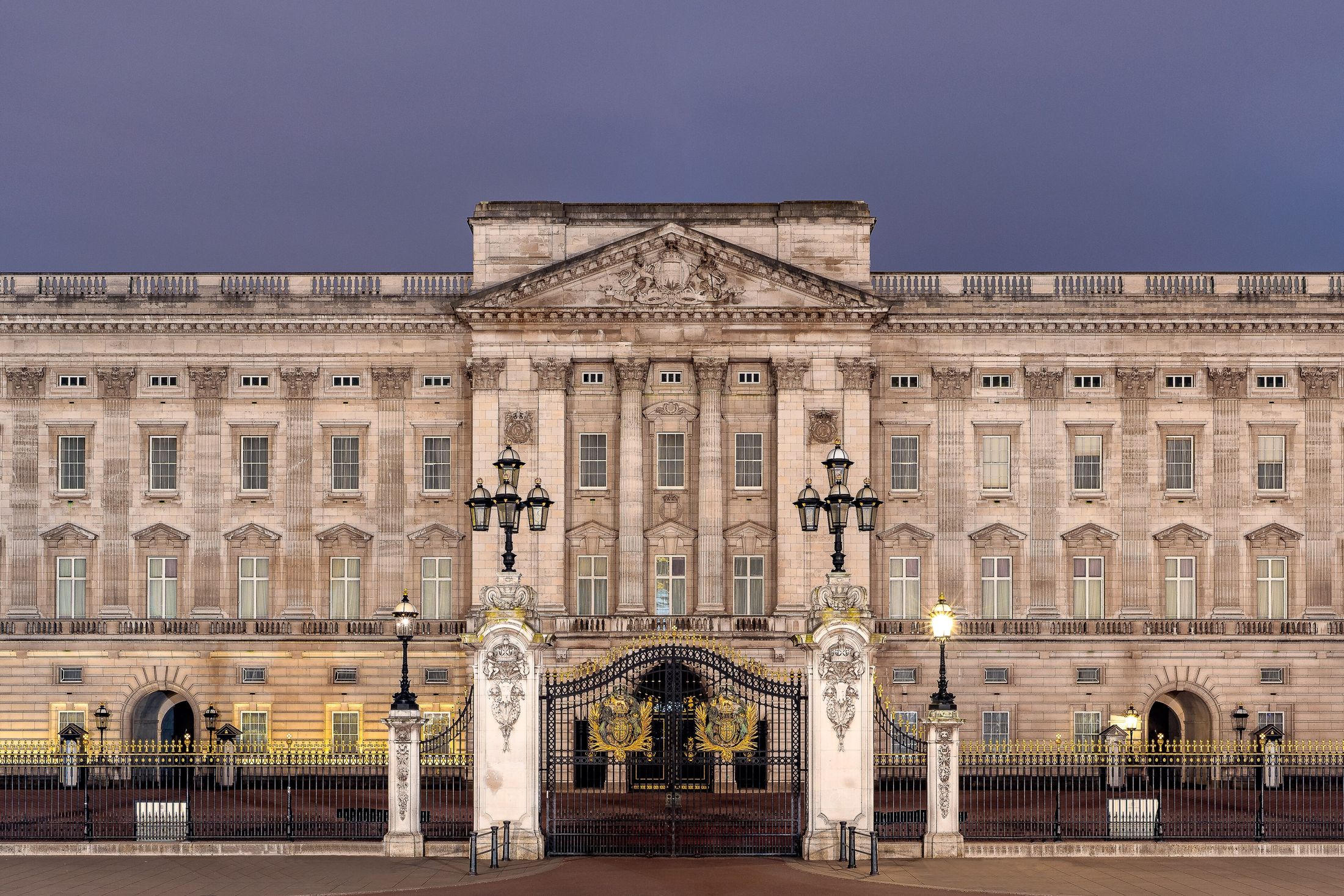
On 27 April 2005 he received the Victoria Cross from Queen Elizabeth II at Buckingham Palace.
“It was the best thing that happened to me, but it was the worst thing that actually happened to me, because everyone wanted a bit of me and I couldn't deal with it mentally.”
2006
Johnson published his autobiography, Barefoot Soldier.
2011

He skated in ITV's Dancing on Ice, partnered by Jodeyne Higgins.
2014

He attended the unveiling of plaques honouring overseas-born Victoria Cross recipients of the First World War.
Remembrance

Johnson in ceremonial uniform on Remembrance Sunday.
The Foundation

He set up the Johnson Beharry VC Foundation, which worked in offender rehabilitation for 14 years before relaunching in 2026 to prevent the exploitation of children.
“I decided I want to donate my life to charity.”
“They were not bad kids. I could go back and get them, and help them get out from that life where I left them behind.”
“My passion and my drive is to use my story and experience to make a difference. It means the world to me and I cannot really even describe it.”
Today Johnson remains deeply involved in his Foundation's work, supporting programme delivery and giving his time to build partnerships. His Foundation uses prevention at an early age to protect young lives from exploitation and violence.